

Reef BluePrint Carbon8 (aq 9.20, 355 mL) – Captiv8 Aquaculture
Original price was: $5.87.$3.97Current price is: $3.97.
79 in stock
Description
Alkaline Solution for Improved pH Stability and Adjustment to a maximum value of 9.20rParameterrrrrTotal CO3 speciesrrrrrValuerrr160,000 ppmrrrCharacteristicsrrrrrActive Components: USP-grade Sodium and/or Potassium salts of bicarbonate, carbonate, sulfate, and borate.rrrrrBasic Applicationrrrrr1 mL per 26.4 gallons (100 L) increases alkalinity by 0.1 dKH.rrr5 mL per 20.0 gallons (75.7 L) increases alkalinity by 0.60 dKH.rrrReference Standard: 8.50 +/-0.5 dKHrrrIn established systems, increase alkalinity up to 1 dKH daily, until desired value or reference standard is reached.rApplicationrrKeep out of reach of children and unauthorized persons.Avoid contact with skin, eyes, and mucous membranes. Store in a cool, dry location away from sunlight.rThe following discussion and recommendations are made expressly for recirculating systems. Laboratory application may proceed as required by study objectives. ReviewDisclaimerat bottom of page prior to using this or other Captiv8 Aquaculture product(s).rFormulation excludes phosphate- and hydroxide-based salts.rThe rate of system acidification is driven by various chemical and physical factors which are unique to each independently-operating recirculating system, and which are constantly changing as cohort biomass increases and decreases. Among the factors involved are: abundance and decomposition rates of DOM and POM; addition of carbon dioxide, yielding carbonic acid, in conjunction with calcareous media reactors; rate of gas exchange and immediate atmospheric CO2content; application of substances which feature a low pH (e.g. shelf-stable organic solutions); average alkalinity (carbonate hardness) value; balance of CO2production and uptake as a matter of rates of aerobic respiration and photosynthesis, respectively. While this is not an exhaustive list of factors influencing pH in recirculating systems, these factors may collectively be of greatest consequence in the daily management of pH values.rThe unique nature of each individual recirculating system dictates that pH be monitored and maintained within the appropriate range, as dictated by cohort requirements and desired ammonia : ammonium balance. Alkalinity, which may be functionally defined as the relative stability of pH, deserves similar daily attention from the caretaker(s) of recirculating systems.rMonitoring (daily) the system’s pH range and referencing apparent changes in cohort biomass and appearance will enable User to adjust dosing of this formula to suit system requirements, improving overall effectiveness and resulting in less wasted solution.rDose solution as necessary to maintain system alkalinity within desired range. Recommended is to begin at a dosing rate which does not exceed alkalinity increase of 18.1 mg/L (1.0 dKH) per 24h, monitoring system alkalinity with calibrated apparatus or other reliable alkalinity indicator. Permit system alkalinity to stabilize (T300s) before re-applying. Adjust dosing rate as necessary. If using with automated dosing apparatus, then do not introduce organic materials to direct vicinity of drip entry-point into system, as these may saponify. Do not exceed system pH maximum. Do not apply in close proximity to sessile invertebrates or developing finfish embryos. Monitor cohort for signs of distress when increasing average system alkalinity and pH, and decrease or halt rate of dosing if distress is noticed. Do not increase average system pH value by more than 0.10 per 12h. Aside from emergencies (e.g. excessive nutrient content in an active system, greatly depressed or excessive salinity, etc.), gradual changes in water composition are generally tolerated better by aquatic organisms than are rapid changes.rRecommended is diluting an appropriate volume of this solution into a larger volume of purified water (with a purity of at least 98%), and applying this diluted solution to the system with an automated dosing system which monitors and controls solution dosing as a function of pH value. Do NOT use with a dosing system which is merely controlled by a timer, as this will not dose as a matter of pH value and may result in excessive system pH.rrrDisclaimerrrrNotice: It is not possible to eliminate all risks associated with the use, handling, or storage of this product. Ineffectiveness, injury to crops and/or livestock, or other unintended consequences may result due to factors outside the control of Captiv8 Aquaculture or the seller. Buyer or user shall assume all such risks. For details, go toTerms and Conditions. Consult SDS before use.rDisclaimer: Captiv8 Aquaculture warrants that this product conforms to the description, and is reasonably fit for the purposes described, on its label. In no event shall Captiv8 Aquaculture or the seller be held liable for any incidental, consequential, or special damages, loss, or injury, i” }
Related products
-
- Sale!
- hot sale
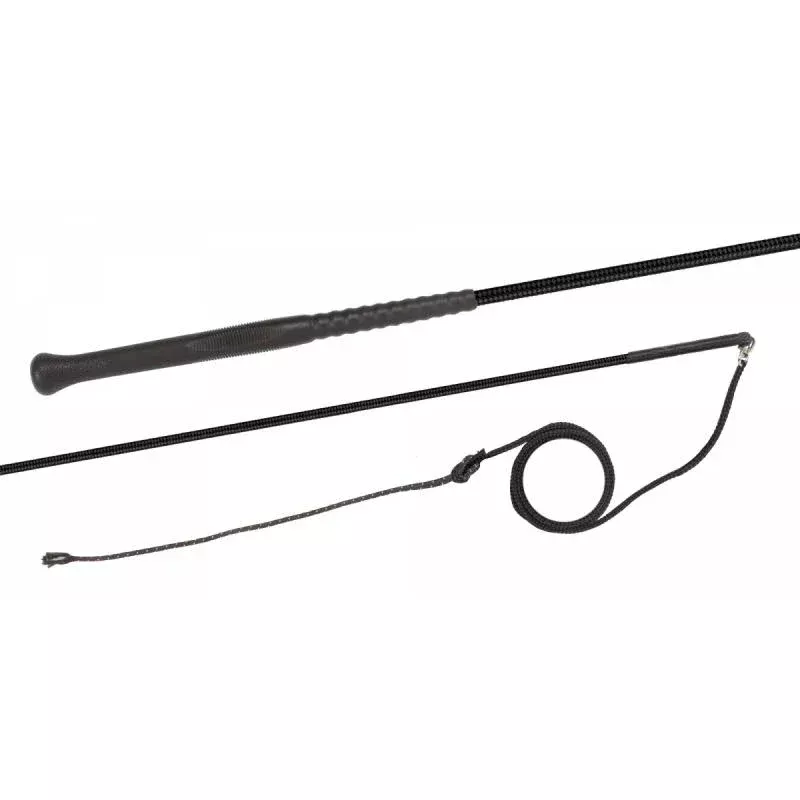
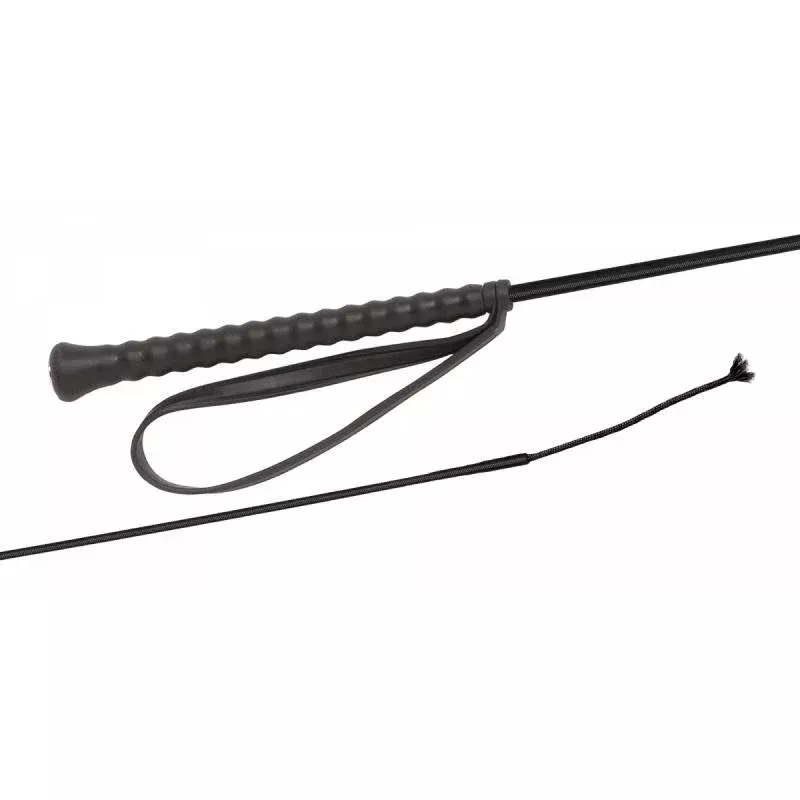
200Cm Lunging Whip Swivel Perlon Fleck
- Original price was: $17.48.$13.14Current price is: $13.14.
- Add to cart
-
- Sale!
- hot sale
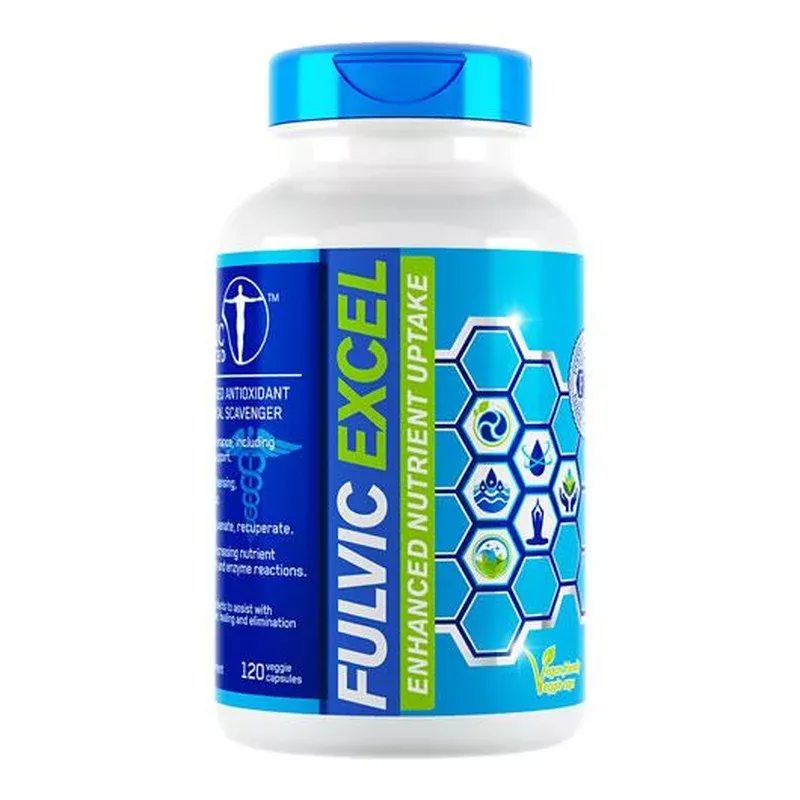
Fulvic Excel Caps 120
- Original price was: $14.33.$8.40Current price is: $8.40.
- Add to cart
-
- Sale!
- hot sale
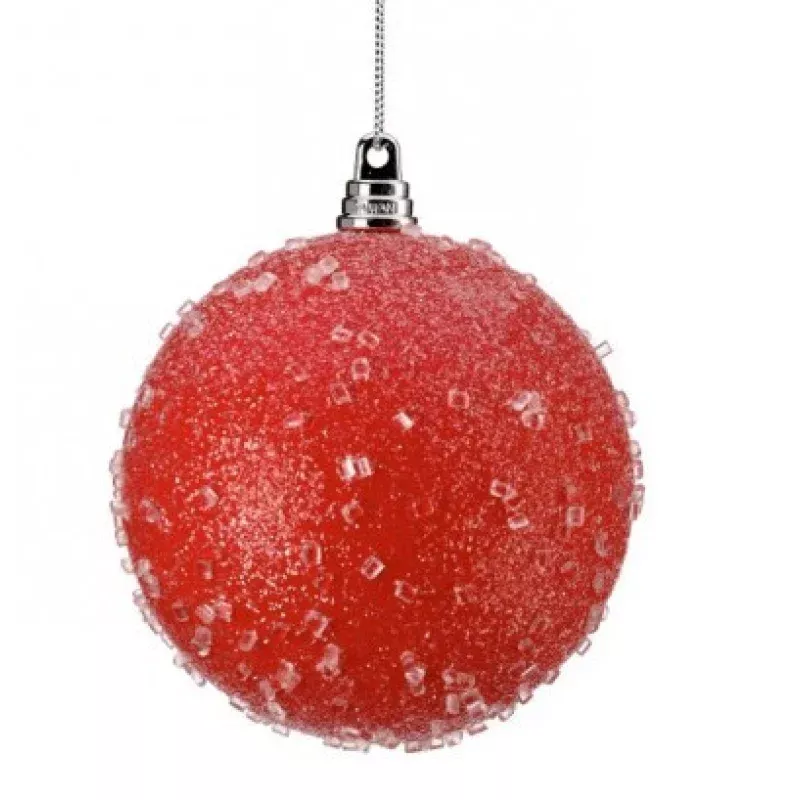
4 Vacuum Plate Matte Sugar Iced Ball Ornament
- Original price was: $3.35.$1.71Current price is: $1.71.
- Add to cart
-
- Sale!
- hot sale
Nulo Culinary Harvest Oven Baked Cat Chicken & Duck
- Original price was: $17.27.$10.42Current price is: $10.42.
- Add to cart
-
- Sale!
- hot sale
EverythingBoho Cat Barista BaseBall Cap
- Original price was: $10.55.$5.88Current price is: $5.88.
- Add to cart
-
- Sale!
- hot sale
Toothpick Holder|Pick Me Up&Rollin In Snow&I Pick Santa&Take Your Pick
- Original price was: $6.23.$3.53Current price is: $3.53.
- Add to cart
-
- Sale!
- hot sale
Cat Litter 10Kg Daro
- Original price was: $3.49.$2.62Current price is: $2.62.
- Add to cart
-
- Sale!
- hot sale
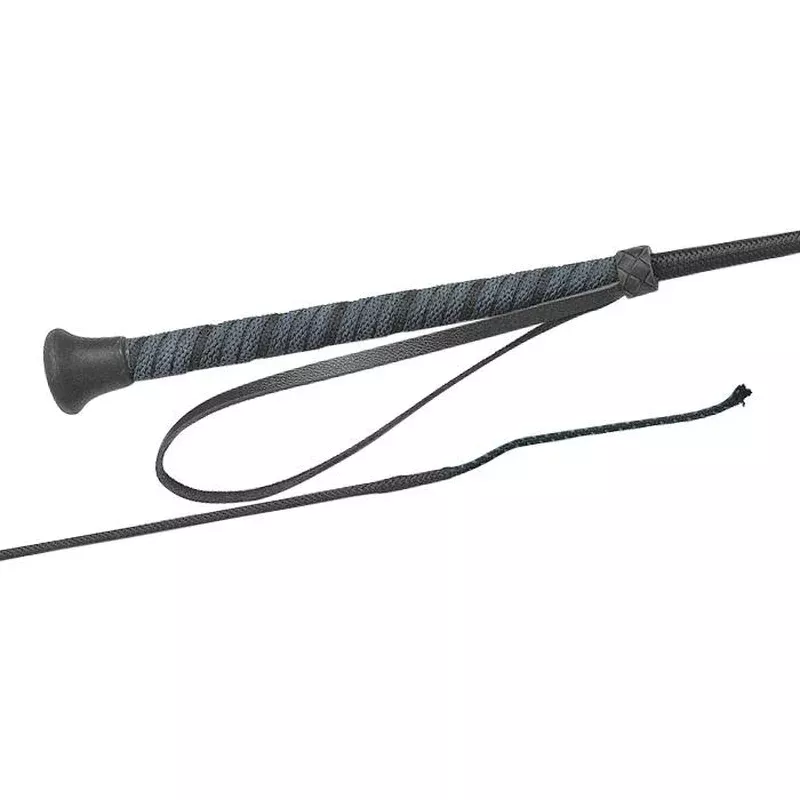
90Cm Black Dressage Whip Nylon Cover Fleck
- Original price was: $15.05.$10.01Current price is: $10.01.
- Add to cart