

Reef BluePrint Isol8:I – Iodine (355 mL, 12 oz) – Captiv8 Aquaculture
Original price was: $22.84.$13.09Current price is: $13.09.
34 in stock
Description
ParameterrrrrrIodiderrrrrValuerrr100,000 ppmrrrCharacteristicsrrrrrProvides iodide (contains no iodine), required for development of chitin (exoskeletal material for shrimp and other crustaceans) and antioxidant activity critical to hermatypic invertebrates. Iodide is properly considered acritical additionto recirculating marine ecosystems housing either of these groups of organisms.rrrImproves color intensity and polyp extension of zooxanthellate invertebrates.rrrSee ‘Application’ section below for use of this solution vs. Isol8 MT.rrrActive Components: Potassium iodide, anhydrous, USP.rrrrrBasic Applicationrrrrr1 drop (0.05 mL) per 23.7 gallons (89.5 L), or 1 mL per 473.1 gallons (1,790.8 L), provides NSW [I].rrr1 mL per 26.4 gallons (100 L) increases [I] by 1.00 ppm.rrrReference Standard [I]:rrr5.58×10-2 ppm (S=35.0)rrr6.33×10-2 ppm (S=40.0)rrrrrIn established systems, increase [I] up to 5% of existing ionic value daily, until desired value or reference standard is reached.rrrrrApplicationrrrKeep out of reach of children and unauthorized persons. Avoid contact with skin, eyes, and mucous membranes. Store in a cool, dry location away from sunlight.rAll trace elementscritical to continued functioning of photoautotrophs, including cobalt,are provided inIsol8 MT, which offers a simpler method of dosing the aforementioned elements in ratiosmirroring those of natural seawater, andis recommended for general husbandry of recirculating marine ecosystems.However, iodine (as the iodide ion) is one of the handful of trace elements in which individual dosing is encouraged (in addition to Isol8 MT), due to iodide’s importance to numerous biochemical processes and the elevated rate of uptake relative to several other trace elements, particularly in recirculating marine ecosystems with dense populations of photoautotrophs and/or crustaceans (finfish generally obtain adequate iodine through the use of a suitable feeding regimen). Although we recommend that regular analysis be performed to verify iodide content and to provide a baseline value for future adjustment, there is positive visual feedback associated with iodide dosing and, in some systems, this may be adequate to guide the user in modifying dosing rate to suit cohort requirements.To obtain accurate iodide values, Captiv8 Aquaculture recommends ICP conducted byReef Masters.rThe rate of ion depletion due to photoautotroph uptake is driven by various chemical and physical factors which are unique to each independently-operating recirculating system, and which are constantly changing as photoautotroph biomass increases and decreases.rMonitoring (daily) the system’s concentrations of elements provided by this formulation, as well as the concentration of nitrate, and referencing apparent changes in coloration of zooxanthellate cnidarians will enable User to adjust dosing of this formula to suit system requirements, improving overall effectiveness and resulting in less wasted solution.rUsers unable to perform analyses for elements provided by this formula are recommended to monitor nitrate concentration and apparent changes in coloration of zooxanthellate cnidarians, adjusting dosage to suit system requirements. This visual approach to dosing is fastest, and for many systems will be adequate.rRecommended is diluting an appropriate volume of this solution into a larger volume of purified water (with a purity of at least 98%), and applying this diluted solution to the system with an automated dosing system throughout the photoperiod. Dosing frequency is directly proportional to stability of ionic concentrations and, resultantly, gradual changes in the coloration (manifesting as intensification) of coloration of zooxanthellate cnidarians. A 1 – 10 s drip interval during the photoperiod provides adequate ionic stability, and is recommended.rIf no automated dosing system is available, then apply solution manually each day. Dosing frequency is directly proportional to stability of ionic concentrations and, resultantly, consistent changes in coloration of zooxanthellate cnidarians. Dosage volume per 24 h is divided by the dosing frequency.rIt is not recommended that this formulation be dosed fewer than four times weekly.rReference Standards: 1 drop (0.05 mL) Isol8 I diluted in 26.4 gal. (100 L) water yields 0.05 ppm increase of [I]. Undiluted, 1 drop treats a volume of 23.7 gallons (89.5 L) at the reference standard of 5.59×10⁻² ppm.rrrDisclaimerrrNotice: It is not possible to eliminate all risks associated with the use, handling, or storage of this product. Ineffectiveness, injury to crops and/or livestock, or other unintended consequences may result due to factors outside the control of Captiv8 Aquaculture or the seller. Buyer or user shall assume all such risks. For details, go to Terms and Conditions. Consult SDS before use.rDisclaimer” }
Related products
-
- Sale!
- hot sale
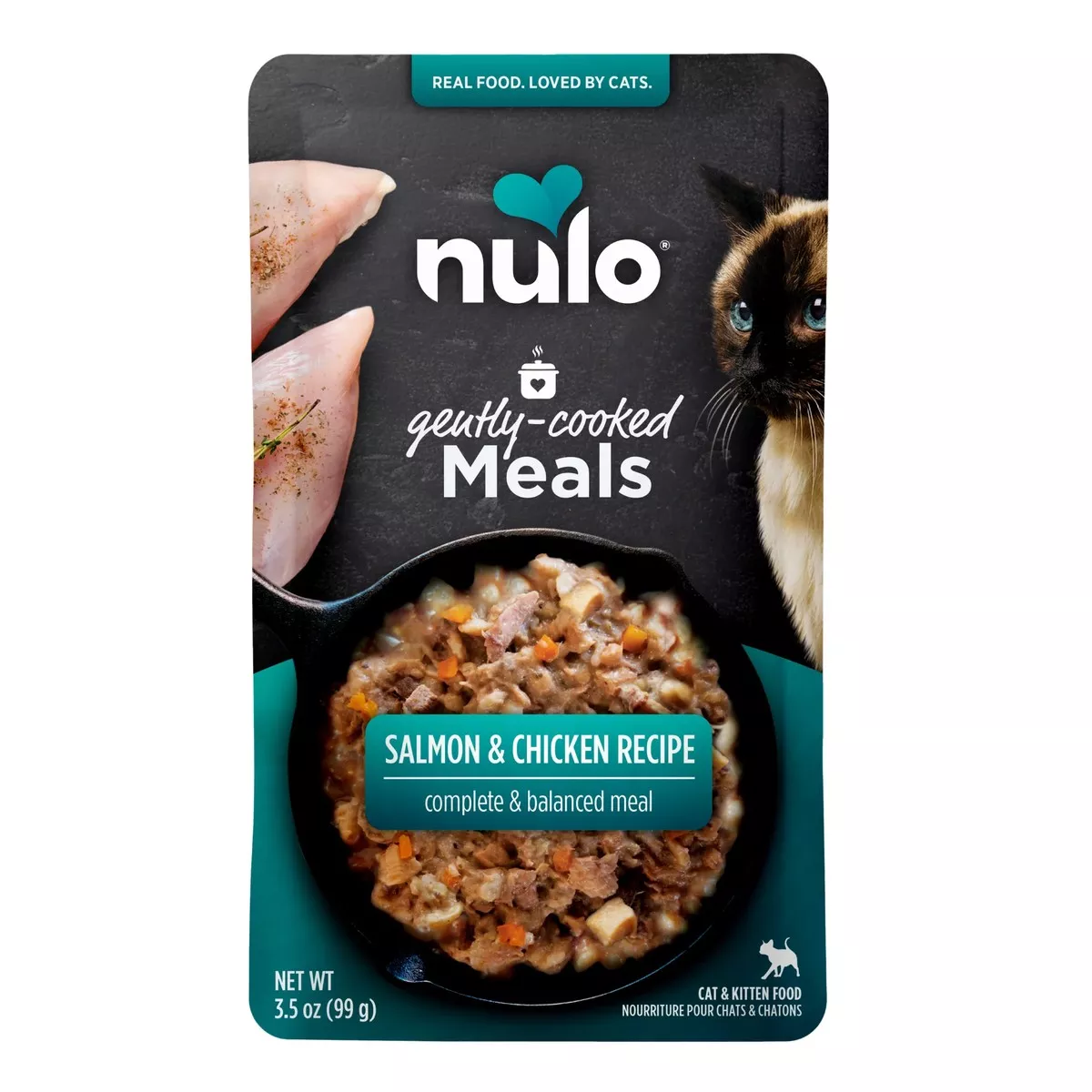
Nulo Gently Cooked Salmon & Chicken Cat & Kitten Pouch
- Original price was: $4.00.$2.46Current price is: $2.46.
- Add to cart
-
- Sale!
- hot sale
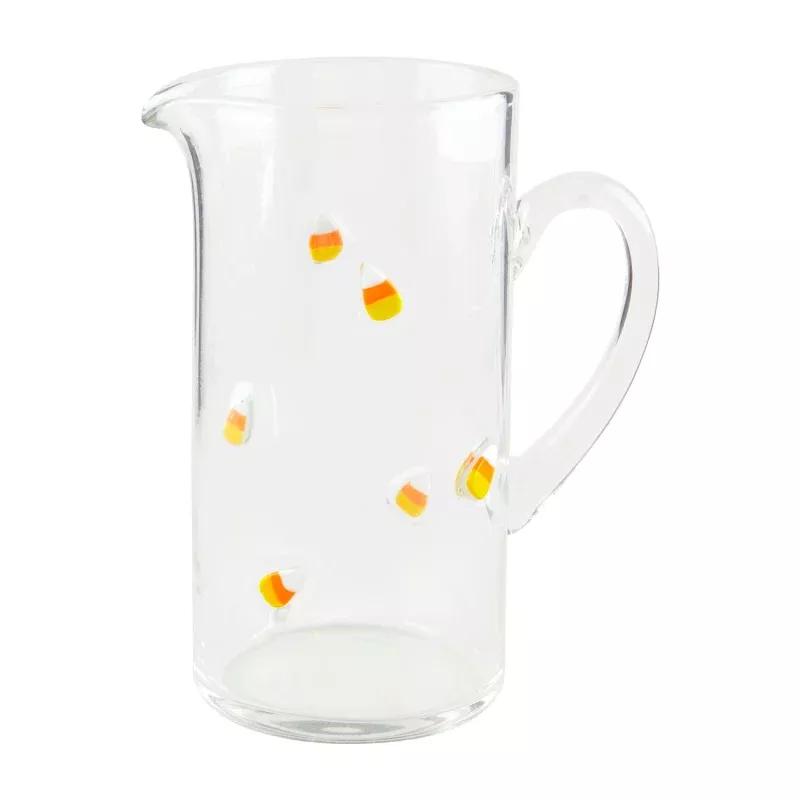
Candy Corn Pitcher
- Original price was: $23.99.$16.13Current price is: $16.13.
- Add to cart
-
- Sale!
- hot sale
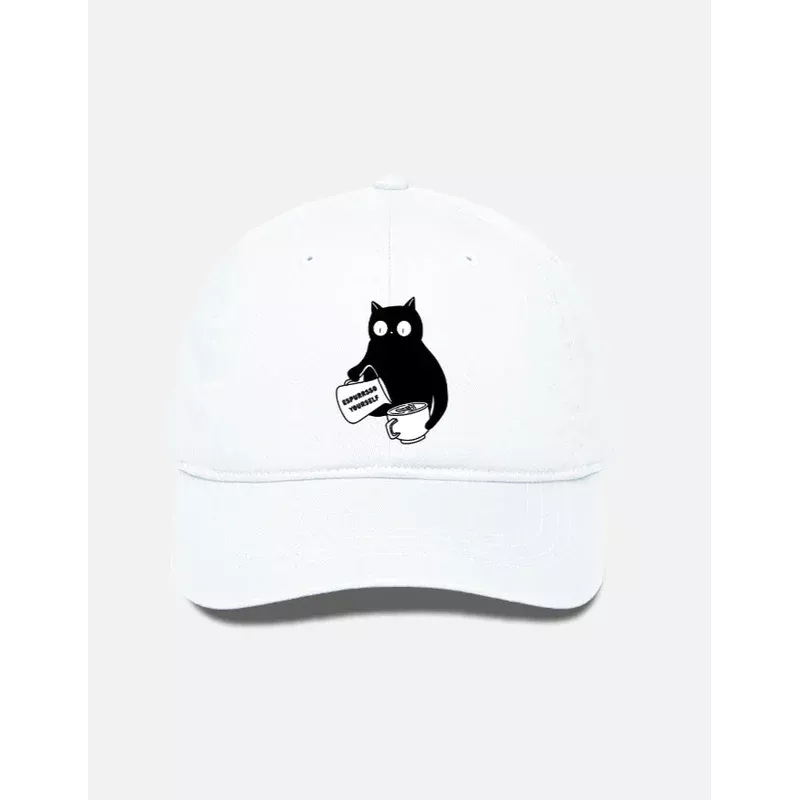
EverythingBoho Cat Barista BaseBall Cap
- Original price was: $10.55.$5.88Current price is: $5.88.
- Add to cart
-
- Sale!
- hot sale
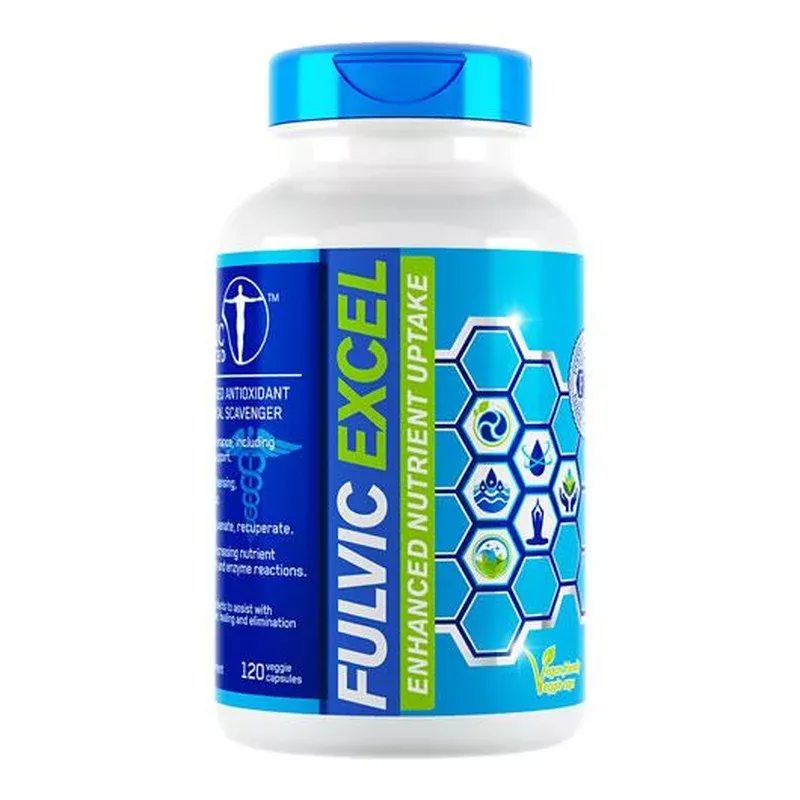
Fulvic Excel Caps 120
- Original price was: $14.33.$8.40Current price is: $8.40.
- Add to cart
-
- Sale!
- hot sale
Coarse Stoneware Vase with Stripes
- Original price was: $16.79.$9.29Current price is: $9.29.
- Add to cart
-
- Sale!
- hot sale
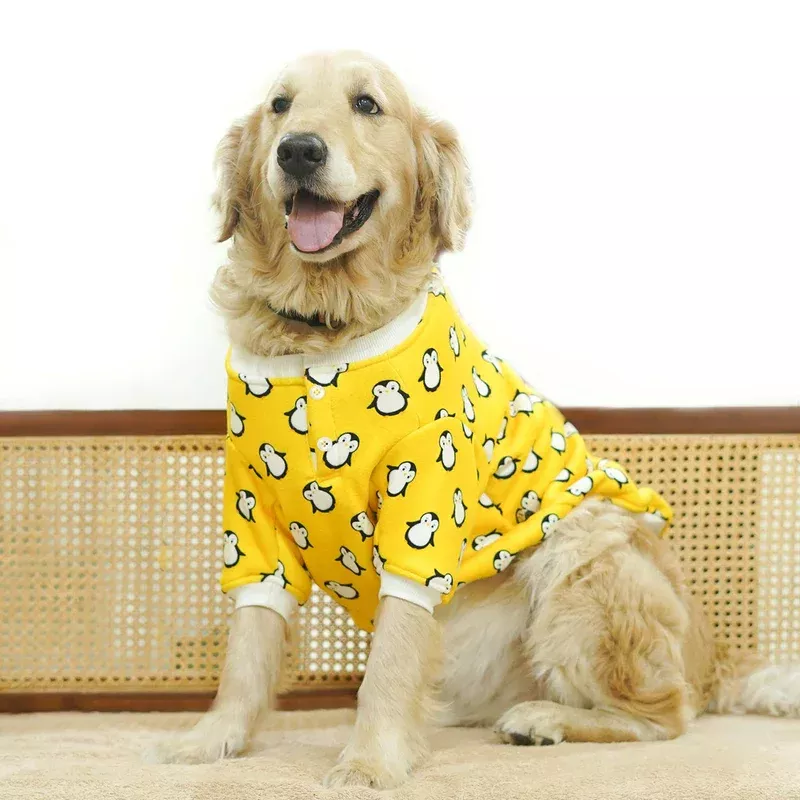
Pets Way Foxwagen Winter Sweatshirts for Dogs (Yellow)
- Original price was: $19.58.$9.85Current price is: $9.85.
- Add to cart
-
- Sale!
- hot sale
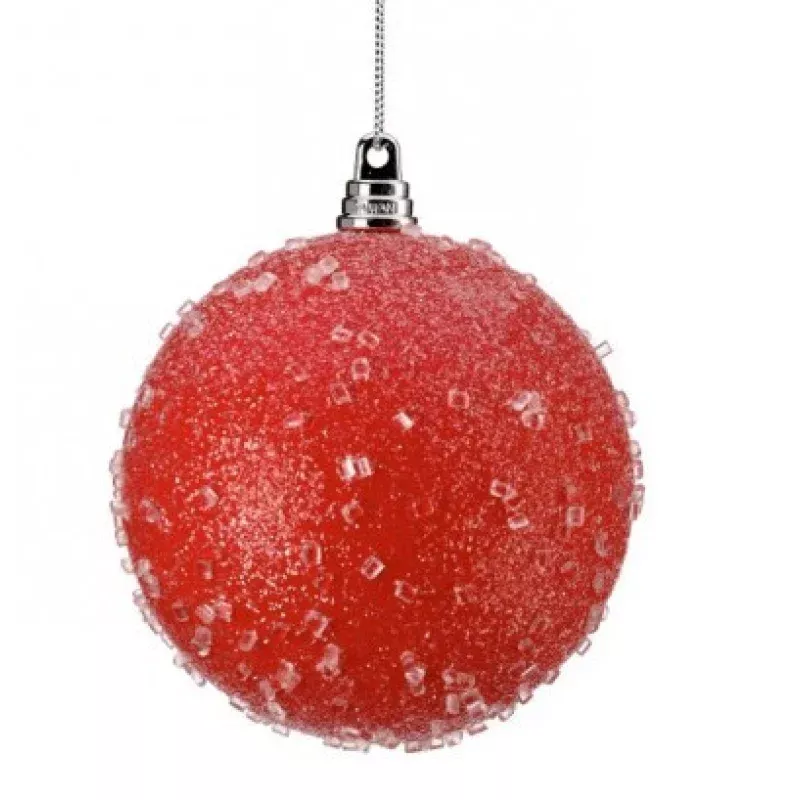
4 Vacuum Plate Matte Sugar Iced Ball Ornament
- Original price was: $3.35.$1.71Current price is: $1.71.
- Add to cart
-
- Sale!
- hot sale
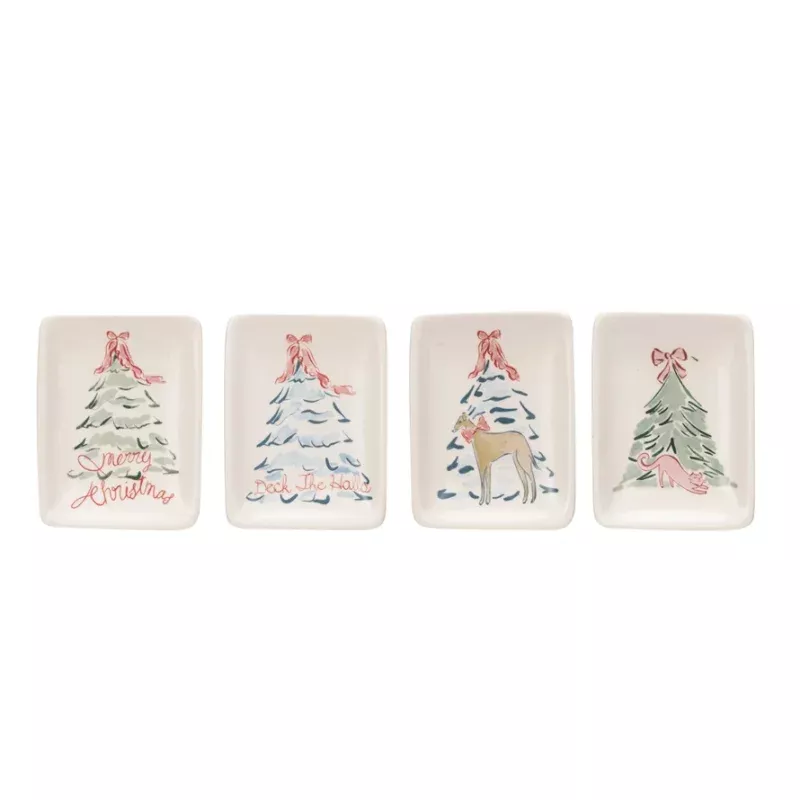
Stoneware Dish With Christmas Tree & Animal/Saying
- Original price was: $3.35.$2.55Current price is: $2.55.
- Add to cart